
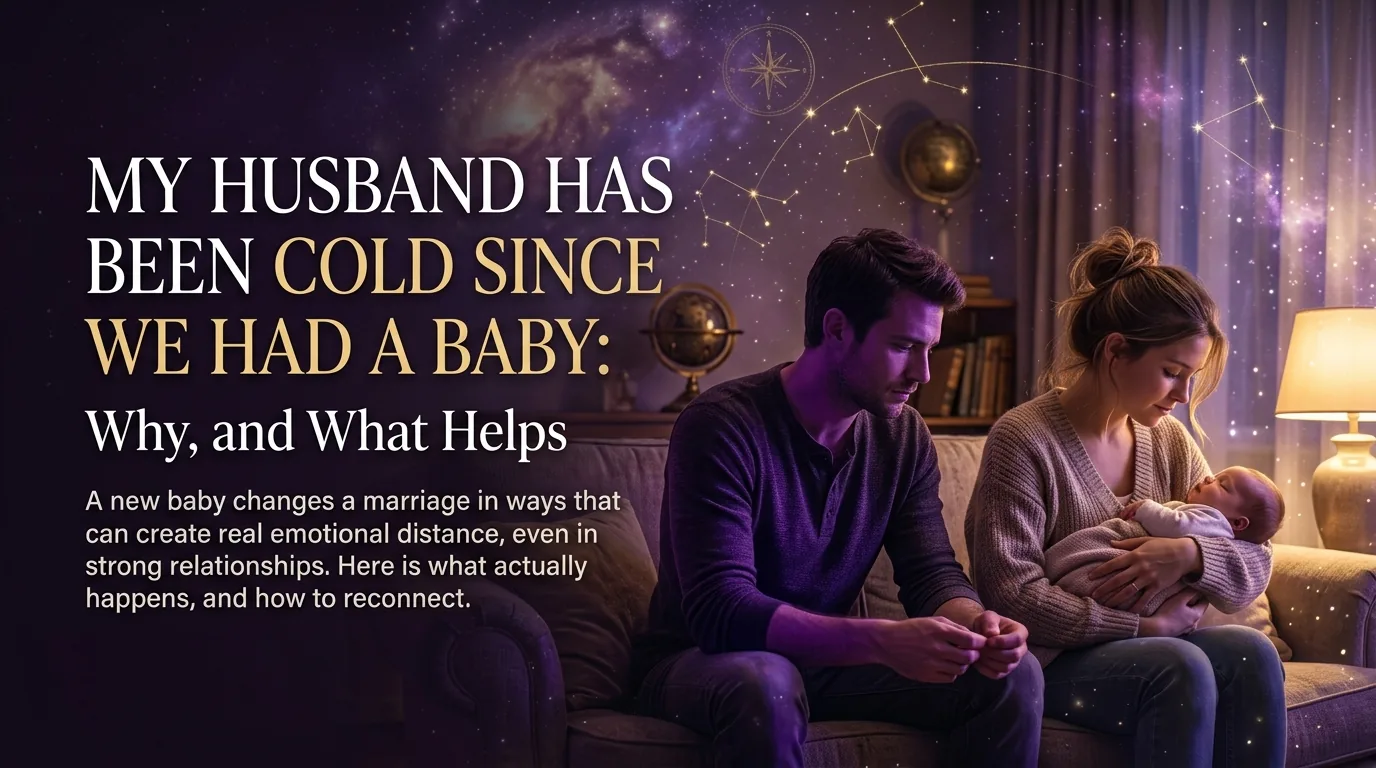
New parenthood is genuinely one of the most extensively studied stressors on marital satisfaction, and real emotional distance during this specific period is extremely common — common enough that researchers have specific names for the dynamics involved. Understanding what's actually happening helps separate a temporary, navigable adjustment from something that needs more direct attention.
1. Sleep Deprivation Genuinely Impairs Emotional Connection
Chronic sleep deprivation measurably reduces patience, warmth, and emotional bandwidth for both partners, which can look identical to emotional withdrawal even when the underlying issue is purely physiological exhaustion rather than any change in feelings.
2. His Role Has Shifted, Sometimes Confusingly
Many new fathers experience a genuine identity adjustment, unsure how to be useful when so much of early infant care centers around the mother, especially with breastfeeding. Some men respond to this uncertainty by withdrawing rather than voicing the confusion.
3. Attention Has Redirected, Not Necessarily Disappeared
A newborn absorbs an enormous amount of both parents' attention by necessity, which can feel like your husband's attention toward you specifically has vanished, when in reality total available attention has simply been redistributed across a genuinely demanding new priority.
4. Intimacy Changes Create Their Own Distance
Physical recovery, exhaustion, and shifting priorities around intimacy after childbirth are normal, but the resulting change in physical connection can create emotional distance as a side effect, even when neither partner intends it.
5. Postpartum Depression Can Affect Fathers Too
Paternal postpartum depression is a real, documented condition, and it can present as withdrawal, irritability, or flatness rather than obvious sadness. If coldness is severe, persistent, and paired with other mood changes, it's worth considering this specifically rather than assuming pure relational distance.
6. Both Partners Are Grieving the Old Relationship a Little
Even a wanted, joyful new baby involves a real loss of the previous relationship dynamic — spontaneity, uninterrupted time, the relationship's old rhythm. Some emotional distance reflects both partners quietly adjusting to that loss alongside the new joy, which can coexist even in a happy transition.
What Actually Helps Reconnect During This Period
Small, low-effort rituals — a few minutes of real conversation daily, brief physical affection that isn't about exhaustion or logistics — matter more right now than any large romantic gesture, which is rarely realistic during this stage anyway. Naming the distance out loud together, without blame, also helps normalize what's happening rather than letting it fester silently.
What About the Mother's Own Emotional Needs
It's worth naming directly that this period is exhausting and disorienting for mothers too, and the temptation to focus entirely on decoding his behavior can leave your own needs unaddressed. Postpartum emotional support — from him, from friends, from a professional if needed — matters just as much as understanding what's happening on his side. A marriage navigates this stage best when both partners' struggles are acknowledged, not just analyzed from one direction.
How long does this kind of distance typically last after having a baby?
For most couples, it eases significantly within the first year as sleep and routine stabilize, though some adjustment can continue longer depending on additional stressors like returning to work.
Should we see a couples therapist during this period?
It can help significantly, especially if the distance feels severe or isn't easing with time, since a therapist can help distinguish normal adjustment from a deeper issue.
Is it normal to feel disconnected even though we both wanted this baby?
Completely normal — wanting a baby and experiencing real relational strain afterward aren't contradictory; both can be true simultaneously during this genuinely demanding transition.
When does marital satisfaction typically start improving after a baby?
Many couples notice real improvement once the baby starts sleeping more consistently, often somewhere between six months and a year, though it varies considerably by family circumstances.
Does having a second child bring back similar distance as the first?
Often to a lesser degree, since couples usually have more established coping strategies and realistic expectations the second time, though the sleep deprivation factor remains genuinely real regardless.
Should we plan specific date nights even in the newborn stage?
Even short, low-key versions — a takeout dinner after the baby's asleep, no big production — help maintain a sense of the relationship existing outside of caregiving duties, which matters more than the scale of the gesture.
Is it normal to feel like strangers for a while after a baby arrives?
Surprisingly common, and usually temporary — the sheer disruption to routine and identity can make even a strong marriage feel unfamiliar for a while before a new, stable rhythm re-establishes itself.
✧ Rebuild Connection Through This Season ✧
Learn how to rebuild momentum and closeness in a marriage, even through demanding, exhausting life stages like new parenthood.
Get The Free Momentum Method Guide